- Blog
- environmental management
- environmental management system
- ISO 14001:2026
ISO 14001:2026 has been published—what do the changes mean for an organization’s environmental management system?
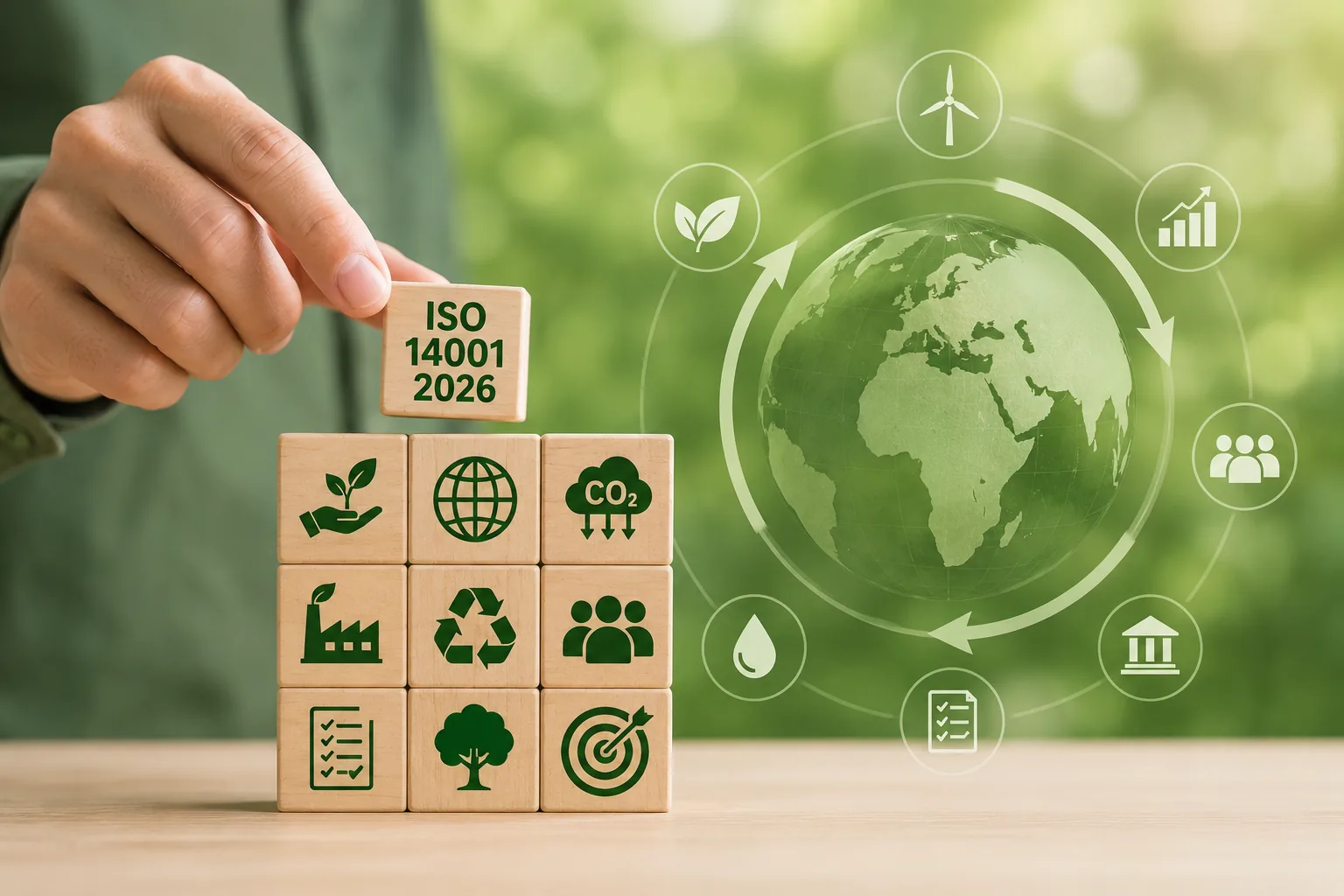
ISO 14001:2026 has been published, and many organizations are currently assessing what the revision means for their own environmental management systems. Although the structure of the standard remains largely unchanged, it places greater emphasis on the connection between environmental management and business operations, the operating environment, and taking changing environmental conditions into account.
According to a management systems specialist at Protect, this is not a matter of rebuilding the environmental management system, but rather of updating it to reflect the organization’s current operating environment and the priorities of the new standard.
What has changed in ISO 14001:2026?
ISO 14001:2026 does not change the basic principles of environmental management. Instead, it places greater emphasis on identifying changes in the operating environment, assessing their impacts, and taking the life-cycle perspective into account as part of the assessment of environmental aspects.
An organization must monitor changes in its operating environment that may affect its environmental management. These changes may relate, for example, to legislation, stakeholder expectations, or environmental conditions.
When assessing the operating environment, environmental conditions should also be taken into account when they are relevant to the organization’s operations. These may include, for example, climate change, biodiversity, the availability of natural resources, or changes in ecosystems.
What should an organization update?
ISO 14001:2026 provides a good opportunity to examine the environmental management system as a whole and ensure that it aligns with the priorities of the new standard.
An environmental policy should clearly outline the organization’s current goals, operating principles, and commitments. At the same time, it is important to ensure that the assessment of environmental aspects is up to date and that it also takes the life-cycle perspective into account.
The emphasis on the life cycle perspective is also reflected in practical operations. This may mean, for example, taking environmental considerations into account in procurement, in the design of products and services, and in the evaluation of suppliers. In addition, it is important to assess whether any work stages that are significant from an environmental perspective have been outsourced and how to ensure that partners operate in accordance with the organization’s environmental requirements.
It is also worth paying attention to stakeholder analysis. Customers’ climate requirements, investors’ ESG expectations, regulatory requirements, and other expectations within the operating environment are constantly changing. When these are identified and taken into account as part of environmental management, the environmental management system better supports both compliance and business objectives.
The good news is that in many organizations, a large part of the necessary information already exists. Risk management, sustainability efforts, and other management system practices often already include the information required by the new standard. Above all, it is a matter of utilizing this information more systematically than before as part of environmental management.
How to Prepare for the Transition to ISO 14001:2026?
The transition period for ISO 14001:2026 allows organizations to update their environmental management systems in a controlled manner as part of their normal development work. It is important to ensure, well in advance of the next certification audit, that the environmental management system meets the requirements of the new standard. This allows any necessary changes to be planned and implemented without rushing, as part of the organization’s continuous improvement process.
Protect organizations with their transition to ISO 14001:2026, the development of their environmental management system, and the implementation of the new standard. Our experts assess the current situation, identify necessary updates, and help implement the changes in a controlled manner that suits the organization’s operations.
Contact usif your company needs help with the updates required by these changes.
Are you interested in establishing or improving an ISO 14001 environmental management system?
Learn more about how to implement an ISO 14001 environmental management system, what the standard requires, and how Protect help with implementation and preparation for certification.
Learn more about the ISO 14001 environmental management system →