
ATEX Expert Services
Explosion risk assessment and ATEX classification
-Recognise and manage risks
-Recognise and manage risks
Explosion risk assessment is an essential part of meeting the requirements of the ATEX Directive. Protect’s experts will identify the explosion risks in your workplace and determine the ATEX classification of your premises so that you can operate safely and in compliance with the law.
The ATEX 153 Directive obliges employers to assess the explosion risks if explosive atmospheres may occur in the workplace. The assessment forms the basis for all other protective measures, such as space classification and equipment selection.
The risk assessment is carried out on site and includes, among other things:
Assessment of explosive atmospheres
Identifying ignition sources (electricity, sparks, hot surfaces)
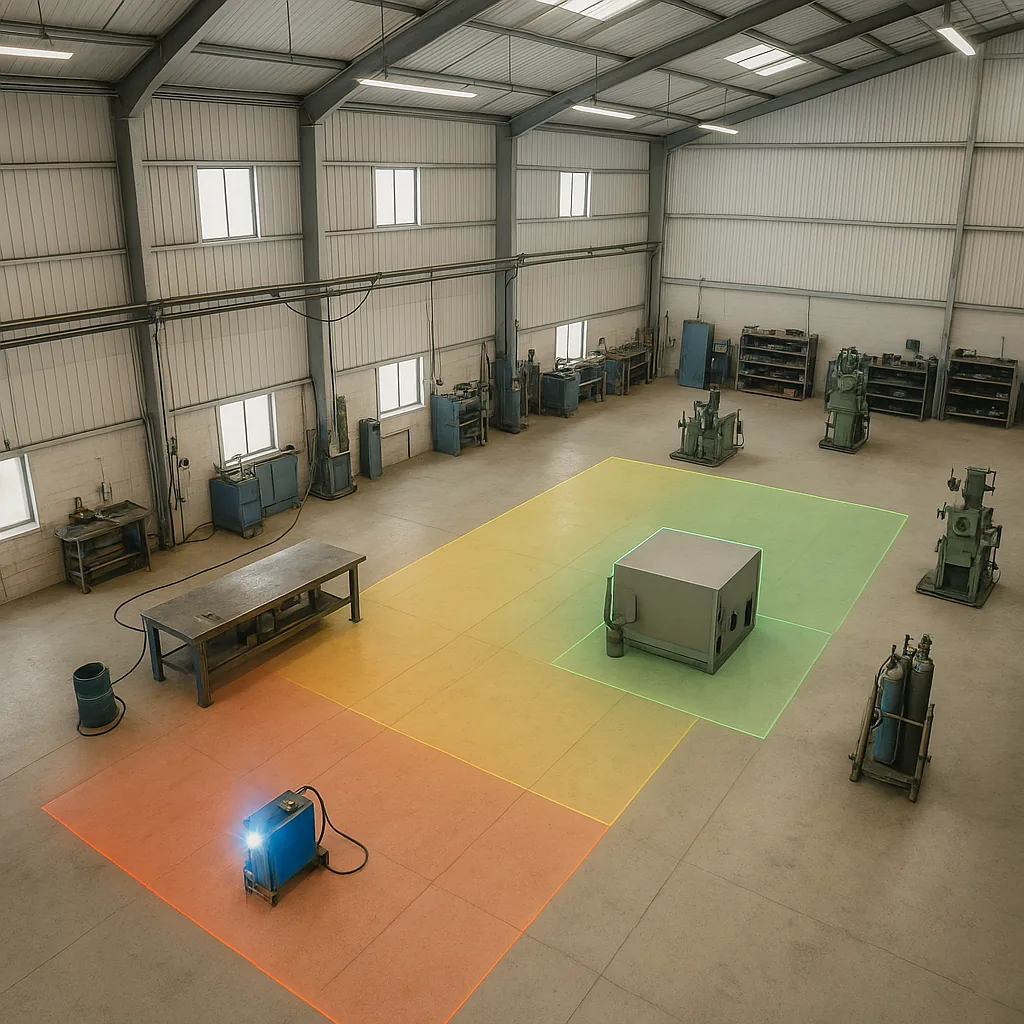
The spatial classification (Zone 0-2 / 20-22) indicates how often and for how long an explosive mixture may occur. The spatial classification is used to determine the necessary technical solutions and equipment requirements.
Protect deliver:
Documented explosion hazard assessment
In accordance with clear ATEX classification standards
Consultation on equipment compatibility

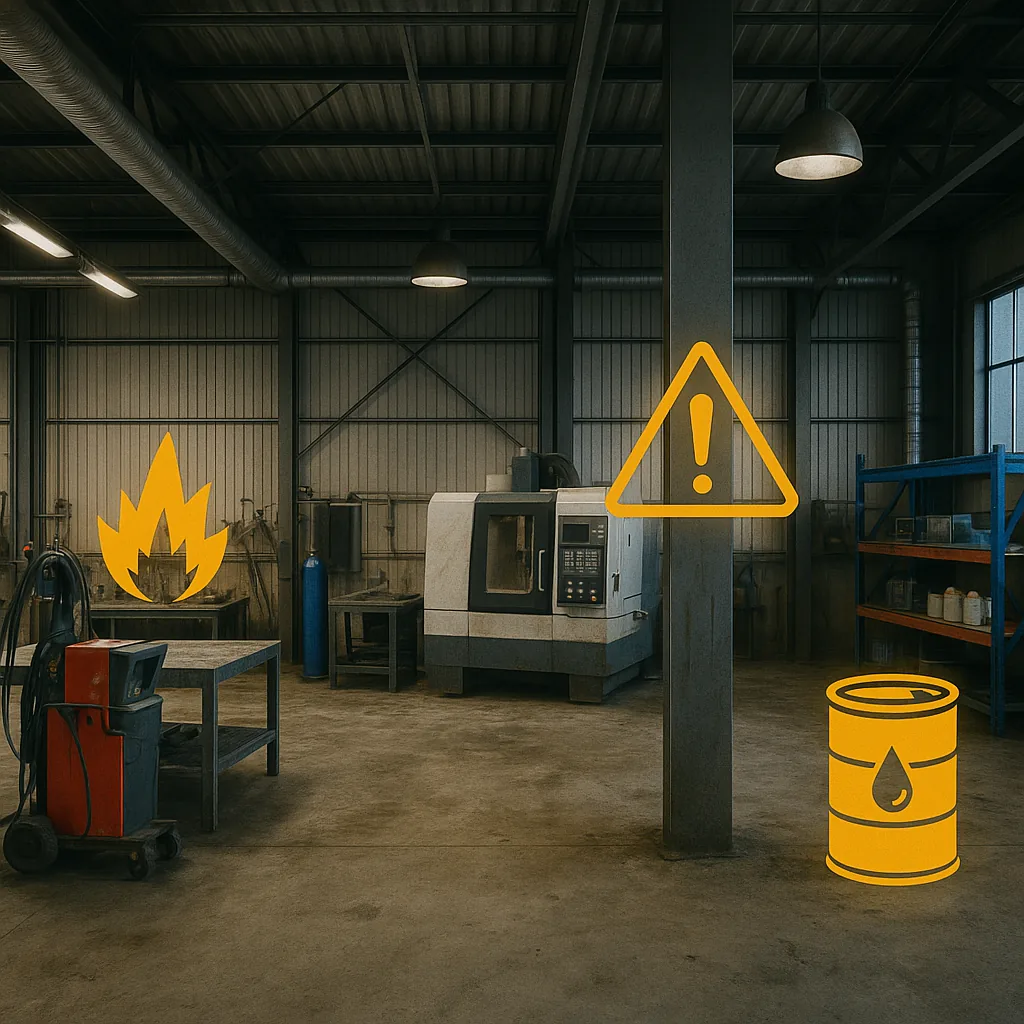
Involve an ATEX expert from the very beginning of the project. This will ensure that safety and equipment requirements are taken into account in the design, and avoid costly changes later on.
Well-designed explosion protection:
Saves on project costs and life cycle costs
Speed up the administrative processes
Improve worker and production safety

Request an ATEX risk assessment or ask our experts for more information!

The use of a temporary fire workplace is occasionally necessary for industrial and construction projects, but only if the fire work cannot be carried out in a permanent fire workplace. Occasional work on buildings, machinery and equipment…

The Central Ostrobothnia Education Group (Kpedu) is modernising industrial learning environments with several major construction projects. The design process has been redesigned to be different from the usual, as ATEX design plays a significant role in the group’s construction projects compared to other design activities….