- Blog
- HSEQ
- Occupational safety and health
How do you know occupational safety is being managed – not just handled?
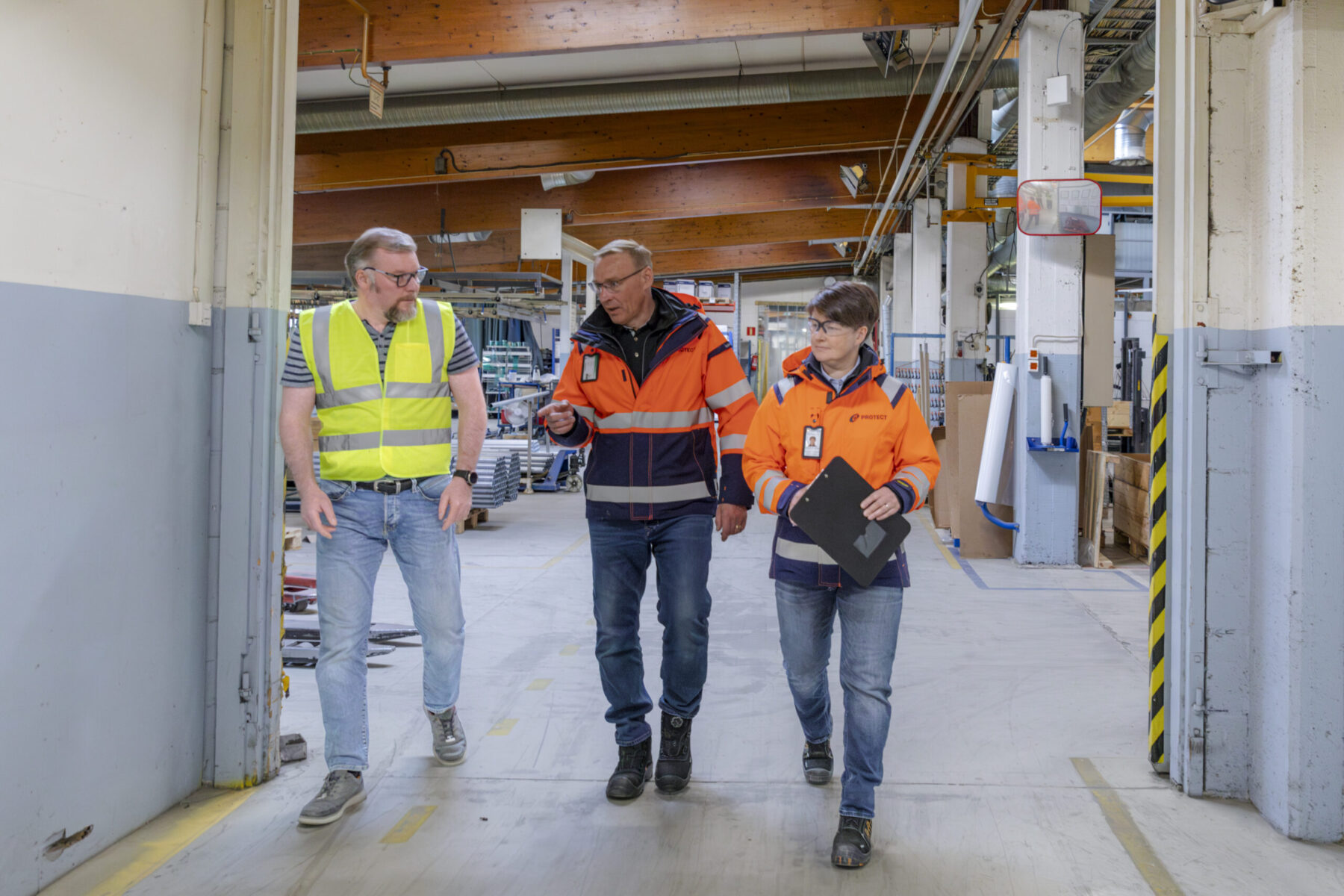
Responsibilities for occupational safety have been defined, the risk assessment has been carried out and the necessary documents are in place. But how do you know whether occupational safety is genuinely part of how the company is managed, rather than just a set of obligations that have been taken care of? What matters is how safety work is planned, monitored and developed in everyday operations.
There are many things in occupational safety that a company must take care of to meet its statutory obligations. Risk assessments, the occupational safety and health action programme, induction and occupational health care form an important foundation for a safe working environment.
However, simply meeting these obligations does not yet mean that occupational safety is being managed systematically.
Managing occupational safety means setting goals for safety, making responsibilities clear and monitoring whether improvement measures are actually carried out. Safety is taken into account in the company’s decision-making, in the planning of its operations and in day-to-day work.
So how can you tell whether occupational safety is genuinely being managed?
1. Occupational safety has clear goals – not just an action programme
The occupational safety and health action programme is a statutory requirement, but its value depends on how it is used.
A well-prepared action programme identifies the workplace’s key development needs and guides the improvement of safety and well-being at work. To keep the goals from remaining on paper, putting them into practice also requires planning.
Questions worth asking in your company:
- Have concrete goals been set for occupational safety?
- Have people been assigned responsibility for reaching the goals, and have timetables been agreed?
- Is progress monitored regularly?
- Are the goals updated as operations and risks change?
For example, the goal of reducing accidents is important, but it needs to be backed by concrete measures. How are hazardous situations identified in advance? How quickly are identified shortcomings addressed? How do you make sure that the agreed corrective actions are actually carried out?
A good goal does not only state what you want to achieve – it also guides what is done to achieve it.
2. Management also monitors safety with leading indicators
Management’s commitment to safety shows above all in practical action and decision-making. Does management take part in safety walks? Are occupational safety goals and results discussed at management team meetings? Are safety risks taken into account in investments, operational planning and times of change?
Managing safety also requires indicators that make it possible to assess how things are developing. In addition to accidents and sickness absences, it is worth monitoring leading indicators, such as:
- The handling of safety observations and the completion of corrective actions.
- Whether risk assessments are up to date.
- Whether safety walks are carried out.
- Whether induction and safety training are carried out.
You do not need to introduce every possible indicator. The most important thing is to choose indicators that suit the company’s operations and most significant risks, and to use the information they provide in decision-making.
Occupational safety experts and OSH cooperation representatives support safety work, but responsibility for safe and healthy work lies with the employer. This is why occupational safety cannot be left to a single person in charge – it must also be visible in the actions of management and supervisors.
Safety is genuinely managed when management takes part in developing it and the information from the indicators leads to the necessary decisions and actions.
3. Safety observations lead to action – and their impact is assessed
Reporting safety observations is an important part of proactive occupational safety. However, having a reporting procedure in place does not on its own guarantee that observations are used to improve safety.
When occupational safety is managed systematically, there is a clearly defined way of handling observations.
When a safety shortcoming or a hazardous situation is identified at the workplace, the necessary measures must be defined, assigned to someone and carried out. It must also be ensured that the measures achieve the desired effect.
It is just as important to tell employees how an observation has been handled and what has been done as a result.
If employees do not receive feedback on the observations they have made, their motivation to report may decline.
When handling safety observations, it is therefore worth paying attention to the whole process: from reporting to handling, implementing measures, assessing their impact and communicating about them.
4. The effectiveness of occupational safety is assessed regularly
Systematic occupational safety does not mean that all practices are complete or that shortcomings never occur.
What matters is that the company is able to identify development needs and respond to them in a planned way.
A regular assessment can look at, for example, whether the occupational safety goals have been achieved, how the agreed measures have progressed and whether new risks have been identified in safety management.
The assessment can be part of the company’s management practices, occupational safety cooperation or internal audits.
Employee involvement is also important. Employees often have valuable knowledge about the risks of day-to-day work and about whether the agreed safety practices work in practice.
Continuous improvement does not require a complicated system. It requires that identified development needs are acted on and that the effects of the measures taken are monitored.
Where should you start developing occupational safety management?
Developing occupational safety management does not necessarily require a major overhaul. Often the first step is to find out what the company is already doing and where there are gaps in continuity or monitoring.
It is worth looking at three things in particular:
- Goals and responsibilities: Does everyone know what safety work aims to achieve, who is responsible for the measures and when they should be completed?
- Monitoring and response: Does the company have a working way of monitoring observations, risks and the completion of agreed measures?
- Management involvement: Is safety information part of decision-making, and are occupational safety results assessed regularly?
When these basics are in place, occupational safety becomes a continuous and goal-oriented part of the company’s operations.
In the end, successful occupational safety management is not determined by the number of documents, but by how safety work shows in everyday work and decision-making.
Do you know where your company’s occupational safety stands?
It is worth assessing the current state of occupational safety regularly so that development needs are identified in time.
Protect’s free occupational safety self-assessment helps you see how the key areas of occupational safety are handled in your workplace and where there may be room for improvement.
If you need support in managing occupational safety or putting improvement measures into practice, Protect’s experts can help you map the current situation and build practical procedures tailored to your company’s needs.